Weddings are archetypal: they carry themes of union, identity, timing, and public commitment. Your psyche uses this potent image to stage internal negotiations - should I commit to this path, show this part of myself, or change a role? Strong sensory details - music, fabric, voices - create a felt sense of reality. Even without a literal wedding, the symbol helps your mind rehearse transition and belonging.
Dreaming of a Wedding - What Does It Mean?
To dream of a wedding is to step into a theater of union, vows, and becoming. At its simplest, it signals transition - the meeting of two paths, or two parts of yourself, moving toward a shared direction. Weddings in dreams can echo hope for connection, fear of exposure, or a deeper integration of identity. Like the hush before music starts, such dreams hover between anticipation and change. They can be tender, unsettling, radiant, or strangely quiet, yet always pointing toward a new arrangement of the heart and mind.
Table of Contents
Core Meanings of Wedding Dreams
Weddings in dreams frequently symbolize commitment, synthesis, and the threshold of a new life phase. Even when no literal ceremony is on the horizon, your mind may be staging a wedding to announce inner union - the joining of traits once at odds, the reconciliation of fear and desire, or a more balanced blend of action and receptivity. Sometimes a wedding dream mirrors your relationship needs or anxieties; other times it highlights your relationship with yourself, where different voices finally learn to speak together. If you felt peace during the dream, change may be welcomed; if the atmosphere brimmed with tension, you may be bracing against a shift that still feels uncertain.
The imagery surrounding the event also matters: attire, guests, setting, weather, music, even the quiet between vows. A sunlit hall hints at optimism, while a dim church might whisper about hesitation. In addition to personal context, many people find it helpful to consider a broader, symbolic lens on weddings and unions. If you want a high-level, archetypal frame, you might explore a symbolic dream interpretation to complement your own experience and emotions.
✦ Dreaming of Your Own Wedding
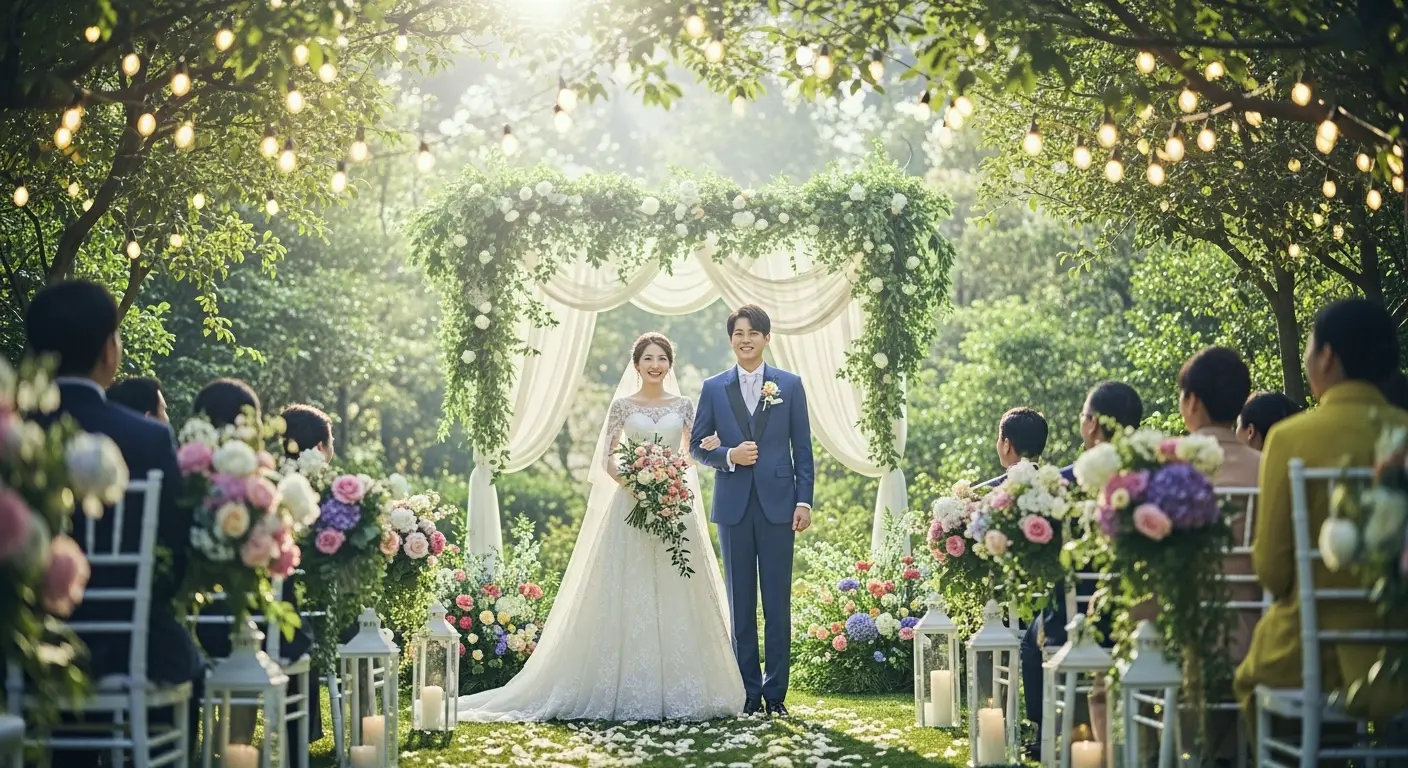
To dream of your own wedding often signals readiness for commitment - not only to a person, but to a path, project, or identity. If you are single, the dream may reveal your openness to partnership, or a longing to be met and seen. If partnered, it may reflect a desire to deepen trust, to formalize what already feels true. Yet the wedding can also be profoundly internal: your ambitious self taking the hand of your cautious self; your practical instincts aligning with your creative urges. The feeling tone is key. Did you walk toward the aisle with a steady breath, or did your chest tighten as if the room were too small? Were you delighted by details, or worried about rituals,, timelines, expectations? Small sensory cues - the texture of the dress, the warmth of a hand, the echo of footsteps - can show how your inner world is adjusting to a commitment you’re making now.
✦ Attending Someone Else's Wedding
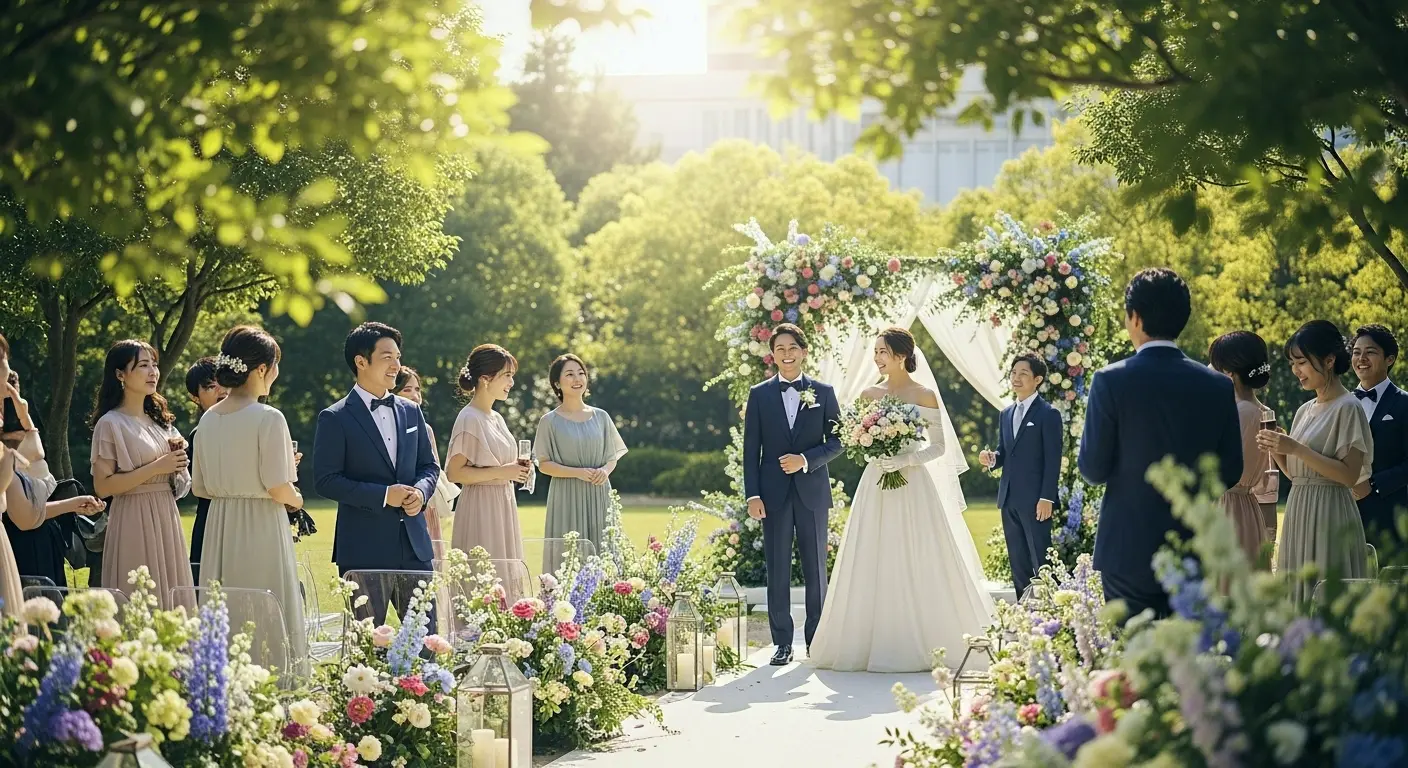
Being a guest places you in the position of observer and, sometimes, subtle evaluator. This dream may mirror how you feel about others’ relationships, or how you measure your own milestones against theirs - a gentle nudge to notice comparison. If you feel joy, you might be celebrating your own capacity for harmony and shared purpose. If you feel awkward or out of place, the dream could be surfacing loneliness, or hesitation about social roles that seem to be closing in. Consider your proximity to the couple: close friends can carry projections about your current partnership; acquaintances can represent archetypal themes like unity, timing, and belonging. Watch for sensations - the clink of glasses, the embrace of friends, the faint scent of flowers - each can mark where excitement turns to ache or a wish turns to resolve.
✦ Being Left at the Altar
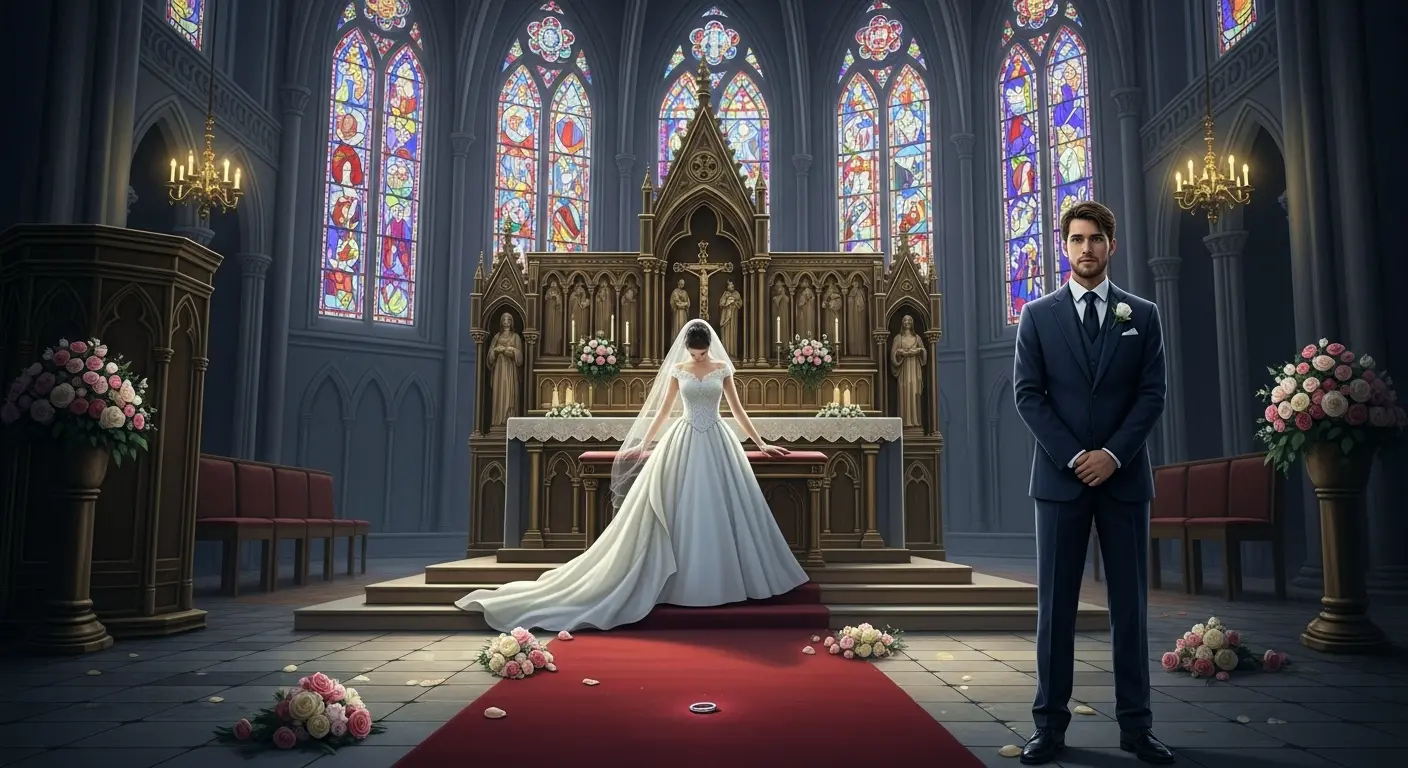
Few scenarios sting like this one. A dream where you are abandoned at the altar often dramatizes fears of rejection, humiliation, or not being chosen when it matters most. It can reflect doubts about your partner, but it may also point to your self-trust. Are you afraid that a part of you will let you down when the pressure rises? For some, this dream arrives before a major commitment - moving in, changing careers, sharing finances - and surfaces the terror of exposure. For others, it is a memory echo, where past heartbreak still colors the present.
✨
A shock that isn't just about love
This dream can also dramatize fear of failure in front of others - the worry that you will be exposed as unprepared, unworthy, or late to your own life. The altar becomes a stage; the audience, your inner critic.
If you were the one leaving someone else, the story pivots. Now the focus is ambivalence, perhaps a wise hesitation your psyche will not let you ignore. Your feet know when to move forward and when to step back. Sometimes, the kindest yes starts with a clear no.
✦ Wedding Dress Dreams
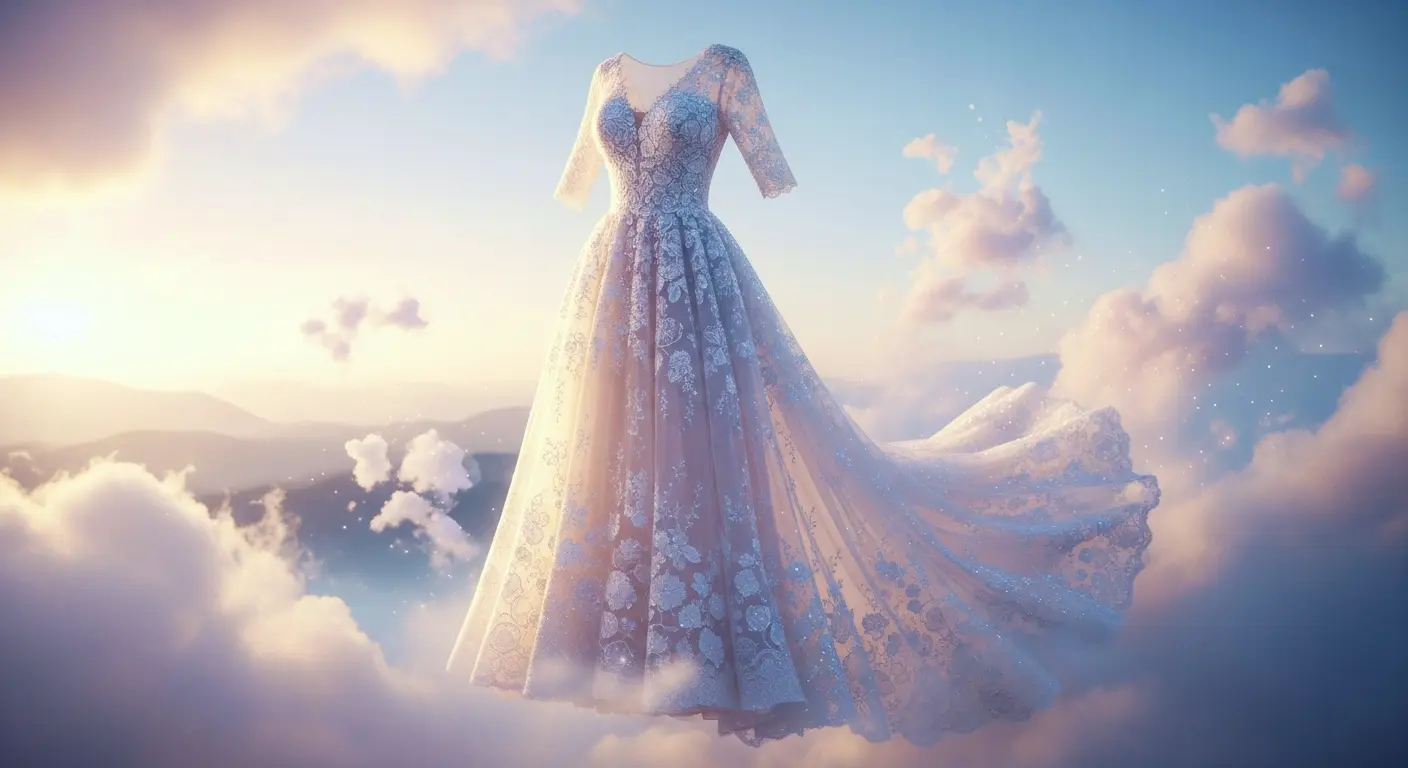
The wedding dress is a fabric of identity. Wearing one can represent your self-image in relation to commitment, purity of intention, or public promise. A luminous, well-fitting dress often signals confidence and emotional readiness. A torn, stained, or ill-fitting gown might suggest discomfort with expectations, or a misalignment between what you’re promising and what you can give right now. Colors and textures add nuance: soft lace may point to tenderness or vulnerability; heavy satin to formality and duty. Even for men, a wedding dress can appear as an emblem of the anima - an invitation to respect the receptive, feeling side of the self. Notice how the material felt against your skin, whether it warmed you or weighed you down - the body remembers what the mind tries to explain.
✦ Marrying a Stranger
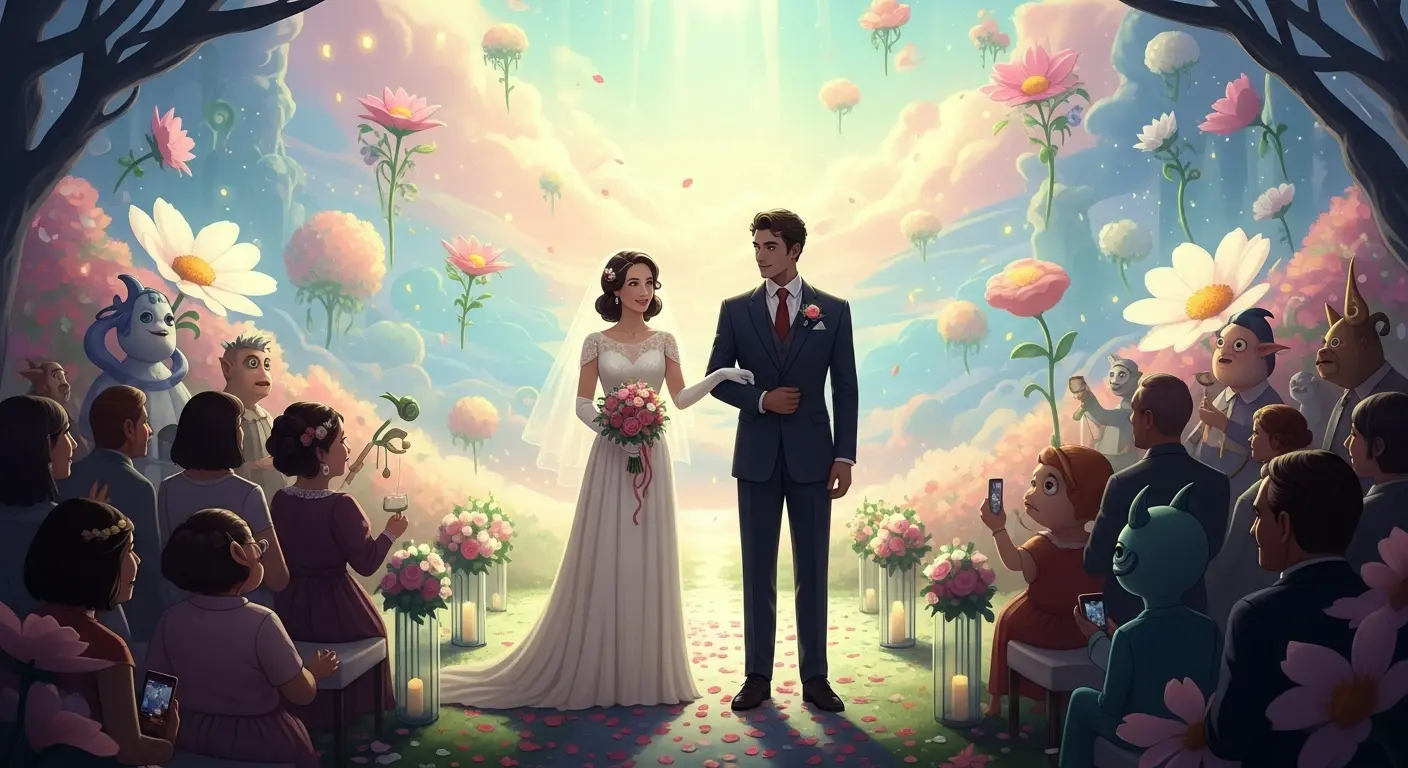
A wedding to someone unknown can be startling yet fertile. The stranger often represents qualities you are ready to welcome - spontaneity, steadiness, courage, devotion - traits that feel new but are already part of you, waiting to be claimed. Alternatively, this dream can mirror uncertainty about the future or anxiety about commitments you don’t fully understand. Did the stranger’s face stay blurry? That may show an identity still forming. Was the handshake warm, their gaze clear? Your psyche could be saying: trust the unknown, it is you expanding. Of course, if the mood was eerie or the ceremony rushed, the dream may be urging you to slow the pace so consent and clarity can catch up.
✦ A Chaotic or Disaster-Struck Wedding
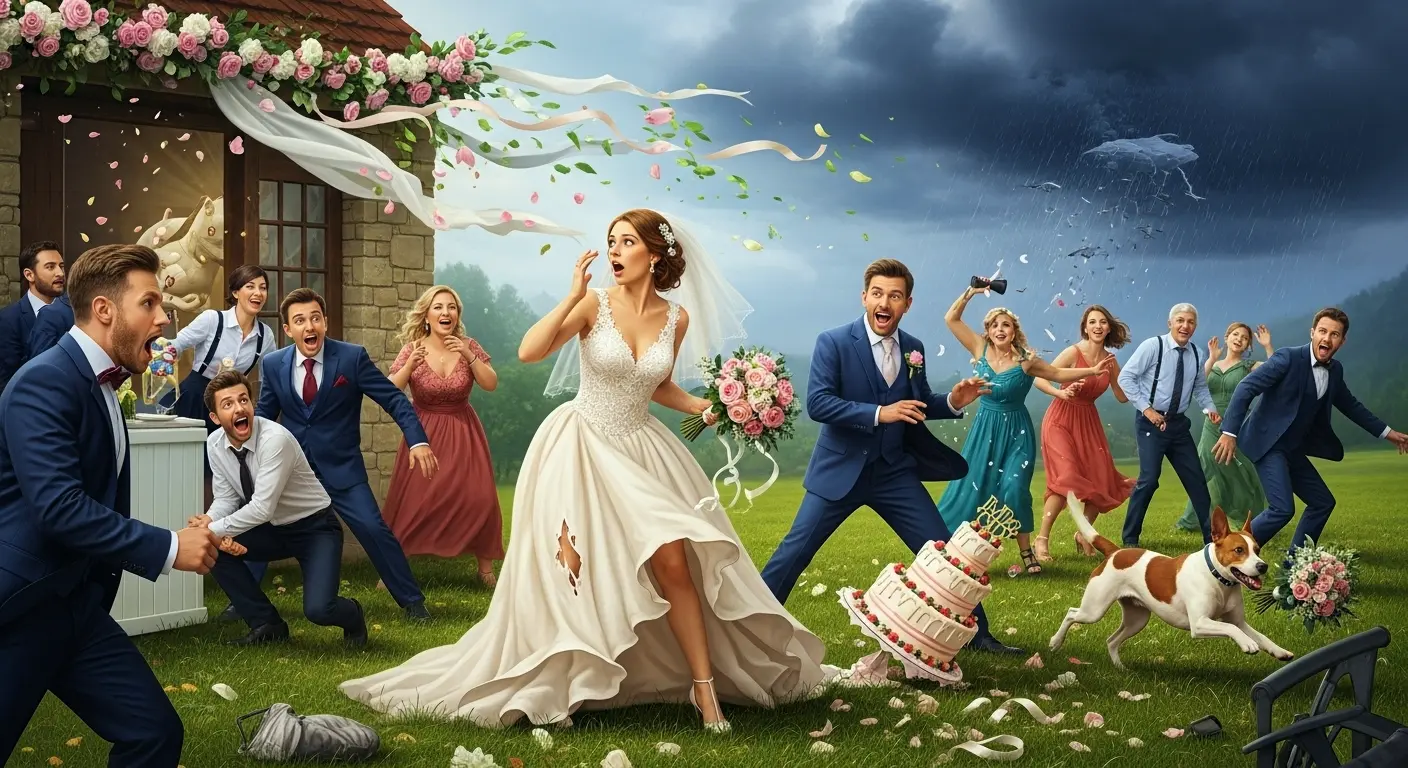
When the cake collapses, the ring is lost, or the venue floods, you are watching anxiety stage-manage the scene. Chaos in a wedding dream often mirrors the fear of losing control, of plans tangled by chance. It can also dramatize inner conflict - parts of you disagree on timing or direction. Pay attention to what fails first. If the vows are inaudible, perhaps communication needs repair; if guests argue, it may reflect social pressure crowding out your own voice.
✨
Order, control, and the music of chance
A messy wedding dream can be a rehearsal for resilience. The psyche plays out errors so you can feel them, breathe with them, and learn that not everything must be perfect for love to be real.
If you managed to improvise - a borrowed ring, a speech delivered without a microphone - then flexibility is your strength right now. If the event stopped cold, the dream may be asking for simpler plans, clearer boundaries, or honest timing.
✦ Marrying an Ex-Partner
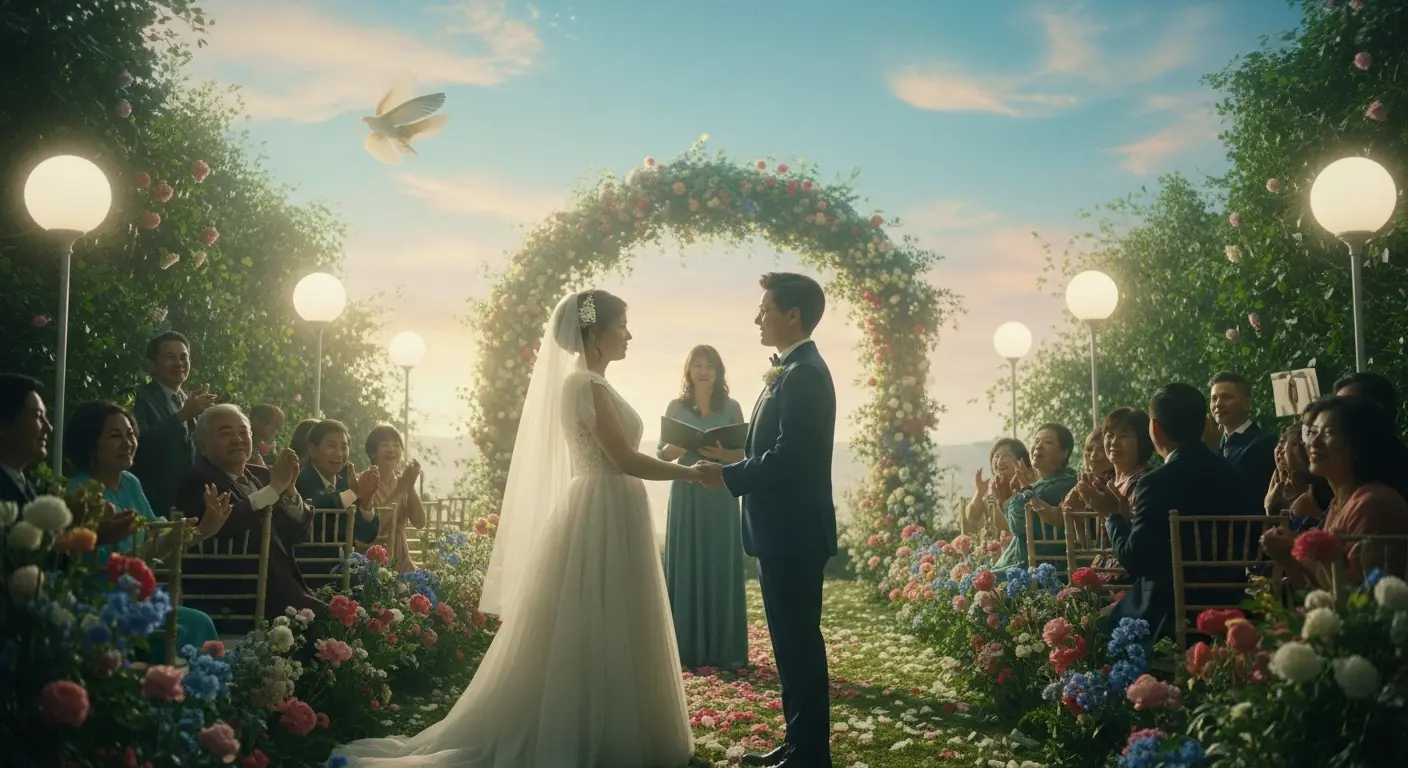
This dream rarely means you should return to the relationship. More often, it highlights unresolved threads - a lesson not fully integrated, a quality you miss (adventure, tenderness, stability), or a wound still seeking closure. Ask yourself what your ex represented at their best and worst. The wedding can serve as a ritual of completion, a way of saying: I accept what was, I take what I learned, I release the rest. If the dream stirred longing, notice which part of you is hungry and how else it can be nourished now. If it brought relief, you may be ready to step forward without dragging past stories behind you.
✦ A Same-Sex Wedding (for Heterosexual Dreamers)
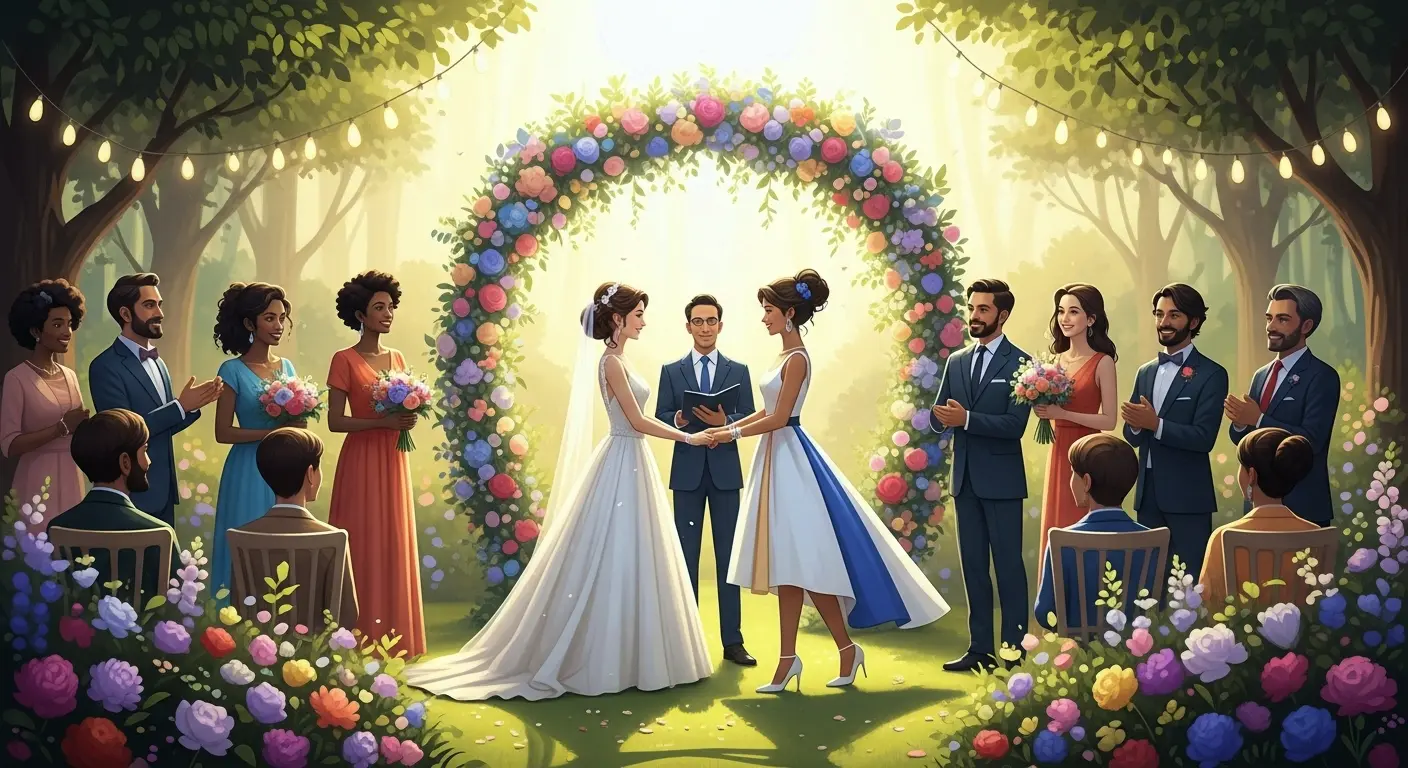
For heterosexual dreamers, marrying someone of the same sex often symbolizes inner integration rather than a shift in orientation. A man marrying a man might be joining courage with tenderness, discipline with empathy. A woman marrying a woman might be weaving intuition with strength, receptivity with decisiveness. These weddings also point to strong bonds with same-sex friends, or a wish for deeper support within your community. If the ceremony felt sacred, your psyche could be honoring qualities long neglected. If confusion dominated, give yourself time - identity is a river, not a rigid line, and naming often follows experiencing.
Psychological Interpretation of Wedding Dreams
From a psychological standpoint, wedding dreams are dramatic scenes where desire, fear, identity, and timing share the stage. For some, the wedding is an image of wish fulfillment - a longing to be chosen, to belong, to stabilize chaos with a vow. For others, it’s a pressure test: can the self hold together under expectation? Classical analysts read these dreams as symbolic unions within the psyche - the meeting of opposites, the synthesis of conscious goals with unconscious needs.
“
Until you make the unconscious conscious, it will direct your life and you will call it fate.
Carl Gustav JungIn that light, the wedding is not just an event but a process - a slowly evolving commitment to authenticity. The venue stands in for your inner environment; the vows translate your values into behavior. If guests disapprove, social pressure intrudes. If the ring feels heavy, responsibility weighs on your hand. You can ask: which part of me is marrying which, and what kind of life will they create? Small answers arrive quietly; the body often speaks before the mind. Listen for steadiness, or a flutter that hints you need more time.
Interpretation by Sigmund Freud
Freud often framed wedding dreams through desire, taboo, and displacement. A ceremony could mask sexual wishes or anxieties, especially around intimacy and the family romance. The wedding as union may represent the satisfaction - or frustration - of the libido. Being left at the altar might convert forbidden longing into fear of rejection; marrying a stranger can disguise unacknowledged urges behind a neutral face. Yet Freud also understood compromise formations: a dream can hold an acceptable story that secretly protects an unacceptable wish. Your emotional tone - relief, guilt, excitement - hints at what the wish seeks and how the psyche censors it.
Interpretation by Carl Gustav Jung
For Jung, the wedding is the hieros gamos, a sacred marriage of opposites within the psyche. Dreams of vows, rings, and veils signal individuation - the long journey toward wholeness where conscious and unconscious learn to cooperate. A same-sex wedding may unite similar qualities to strengthen a function; marrying a stranger often reveals an emerging anima or animus figure. Chaos at the ceremony reflects psychic tension before integration. Jung would ask: which archetypes are meeting, and what new personality structure might arise from their union? The dream, then, is less about romance and more about the soul’s architecture.
FAQ
Here are answers to common questions about wedding dreams - from why they feel vivid to how personal history shapes meaning. Use them as prompts, not rigid rules; your emotions, body sensations, and waking context are the compass that points to your truest reading.
Why do wedding dreams feel so intense even if I’m not planning a wedding?
How do I tell if a wedding dream is about my relationship or about myself?
Check the focus. If the dream centers on your partner’s behavior or the reactions of guests, it often reflects interpersonal concerns. If the spotlight is on your clothing, the vows, or your breath and body sensations, it may be about self-commitment. Journal both views, then notice which interpretation produces relief or clarity - the body’s yes is soft but unmistakable.
I dreamed of a disaster at the ceremony. Is that a bad omen for my relationship?
Not necessarily. Chaotic weddings often translate everyday stress into theatrical scenes. They may reflect fear of losing control or pressure from family and social expectations. Pay attention to how you responded in the dream. If you adapted, it suggests resilience. If everything froze, you may need simpler plans, firmer boundaries, or more time before committing to a big step.
What should I do after a powerful wedding dream to make sense of it?
Write the dream in present tense, underline emotions, and list key symbols: attire, rings, weather, guests, music. Ask what each element wants for you. Then explore opposites - if the dream was anxious, what would calm look like? If it was blissful, where might you be idealizing? Share it with a trusted friend or therapist. Most of all, notice small changes your dream gently suggests today.
Sources & Further Reading
- The Interpretation of Dreams - Sigmund Freud (1900).
- Man and His Symbols - Carl G. Jung (1964).
- The Meaning of Dreams - Calvin S. Hall (1953).
- Finding Meaning in Dreams: A Quantitative Approach - G. William Domhoff (1997).
- Dreams and Nightmares: The Origin and Meaning of Dreams - Ernest Hartmann (2001).
- The Complete A to Z Dictionary of Dreams - Ian Wallace (2014).
Read more